
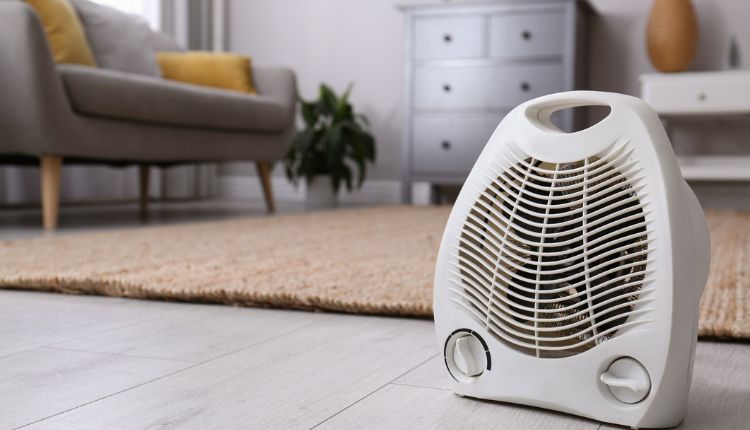
Cold mornings suck when you’re waking up to work in your small bedroom office. They also suck when heating up your compact home office takes forever. You don’t want to heat your entire home just to get one room comfortable. Instead, use a space heater.
The problem? Space heaters aren’t all created equal. In fact, buying the wrong heater could leave you cold or soak your electric bill.
How Big Should My Space Heater Be?
Size matters when buying a space heater. Contrary to popular belief, bigger isn’t always better. In fact, that mentality causes most people to buy heaters that are too powerful.
The basic idea is pretty simple: aim for 10 watts of power for every square foot of space. So, if your bedroom is 100 square feet, you’ll want roughly a 1,000 watt heater. So, most bedrooms and home offices are happy with a heater between 750 and 1,500 watts.
Measure your room before you shop so you know exactly what you need. Simply pick up a tape measure and multiply length x width to find square footage.
Types of Space Heaters That Work Well in Small Spaces
No one space heater type is best in every situation. That’s why there are so many varieties to choose from! Knowing all your options allows you to pick the best heater for your room.
Ceramic heaters pass electricity through ceramic plates. This design allows them to heat up quickly and remain relatively cool to the touch. For these reasons, ceramic heaters are extremely safe for bedrooms and home offices. Also, many ceramic heaters feature fans that help distribute warm air throughout the room.
Oil-filled radiators resemble antique-style radiators, except they plug into the wall. Don’t let that fool you! These appliances function by heating oil inside of sealed columns. Due to this unique process, they hold heat very well. They’ll continue warming your room after you turn the heater off. If you’re looking for steady, low heat over several hours, this is the type of heater for you.
Infrared heaters work just like the sun. Instead of warming up the air, they heat objects and people directly. As a result, you’ll feel heat almost immediately after turning them on. This instant heat is great if you need to warm up fast while working at your desk.
Fan forced heaters blow air across a heating element. This technique allows them to push warm air throughout the room quickly. However, these heaters are often loud and dry out the air in a room faster.
Choosing the Right Heater for Your Room
Room size is important, but so is room type. Yes, you have to think about square footage. But the functions you’ll be using your space for matter too.
Choose heaters with lower noise levels for bedrooms. Oil-filled radiators are great for bedrooms because they whisper quiet. Not only that, but they don’t dry out the air like fans do. You’ll sleep better and wake up without that dried out feeling in your throat.
Home offices benefit most from infrared heaters. Since these devices warm you and objects directly, you don’t have to heat an entire room. Instead, sit right next to your heater and enjoy the direct warmth. Not only will you stay comfortable, but you’ll also save money on your electric bill.
Bathrooms require heaters that heat up quickly and are safe for use around moisture. Look for ceramic heaters with fans to get heat to you as soon as possible. However, any bathroom heater should have safety certifications that allow it to be used around water.
Features You Should Look For
When you go space heater shopping, you’ll notice tons of fancy features. Let’s skip past those and focus on features that will help you in a small room.
A thermostat allows you to keep your room at a set temperature. Instead of running non-stop, your heater will turn on and off to maintain that temperature. Set it to your desired temperature and walk away!
Timer features allow you to set specific times for your heater to run. Heatershop told us that you can set your space heater to warm up your bedroom 30 minutes before you wake up. That way, you don’t have to waste energy heating an empty room all night long.
Tip-over protection automatically shuts off your heater if it gets knocked over. Speaking of kids and pets knocking things over, this is an important safety feature. Never buy a heater without automatic shut-off.
Overheat protection cuts power to the heater if internal temperatures get too high. Additionally, this protects your heater from damage. Either way, you’ll prolong the life of your space heater.
Energy Efficiency
While space heaters aren’t the biggest energy drains, they still use electricity. Luckily, there are a few things you can do to use your space heater as efficiently as possible.
First, close the doors to your heated room. Keeping heat from escaping means your heater won’t work as hard. You can even close curtains/blinds at night to keep heat from escaping through windows.
Second, only heat rooms that you’re using. Make it a habit to turn off your space heater when you leave the room. Space heaters can pull anywhere from 750 watts to 1,500 watts. Heating an empty room can suck up a lot of money from your wallet.
Third, use space heaters with your central heating and air. Don’t think of space heaters as total replacements. Instead, lower your thermostat a few degrees and heat your most-used room with a space heater.
Safety Tips
Thousands of fires are caused by space heaters each year. Don’t become a statistic; follow these tips.
Keep your space heater at least three feet away from anything flammable. Curtains, bedding, papers, and furniture all fall into this category. Don’t use space heaters with extension cords either. Space heaters require a lot of power, so they must be plugged directly into a wall outlet.
Never leave space heaters on when you’re asleep or away from home. Sure, they have lots of fancy safety features. But turning your space heater off is the safest thing you can do for your home. No fire risk? You won’t become another statistic.
Inspect your heater often for damaged wires, cracks, or unusual smells. If you notice any of these issues, replace your heater ASAP.
Shop Smart, Stay Warm!
You now know what size and type of heater you need for small rooms. From here on out, picking the perfect heater should be a breeze. Start by measuring your room and figuring out the necessary wattage. Then, consider how you’ll be using your room to narrow down your heater type.
From there, compare models and look for desirable features. Focus on safety features, energy efficiency options, and warranty coverage. Don’t forget to read reviews from people who have the heater in similar rooms.
FAQ’s
1. How big of a space heater do I really need for a small room?
Don’t overcompensate. Room heaters don’t need to be big to keep you warm in small spaces. For best results, look for roughly 10 watts per square foot of space. So a small 100 square foot room would more than suffice with a 1,000 watt heater. Most rooms that fall into the 750–1,500 watt range should be great. Bigger than that and you’re just wasting energy.
2. Do larger space heaters heat quicker or more efficiently?
Not really. Counterintuitively, bigger heaters can actually create less comfortable environments. Large heaters have to work harder (turn on and off) to regulate the temperature of a small room. This results in uncomfortable temperature fluctuations and a higher electric bill. In short, bigger isn’t always better.
3. What’s the best space heater for bedrooms?
When it comes to bedrooms you really want something quiet and consistent. Oil-filled space radiators are great because they put out almost no noise and they don’t dry out the air. If you find yourself distracted by fan noise at night or waking up with itchy eyes/throat, these are your best bet for night or evening use.
4. What space heater is best for small office spaces?
When you’re sitting at a desk all day, infrared space heaters are your best bet. They heat people and objects directly, instead of heating empty air. Not only do you feel warm almost immediately, but these heaters tend to be more comfortable and cheaper to run.
5. Won’t space heaters cost a lot to run in small rooms?
Yes, they will if you let them. Room heaters easily consume anywhere from 750 to 1,500 watts. Leaving one on all day in an unused room will kill your electric bill. To avoid this, only heat the rooms you’re using, close the door, and set your central thermostat a few degrees lower while running your space heater. With some common sense, they can actually be pretty cheap to run.
6. What space heater safety features are a must?
Tip-over protection and overheating shut-off are two features you should never go without. End of story. You should always plug space heaters directly into the wall (don’t use an extension cord), keep them 3+ feet away from anything that can burn, and always turn the heater off when you leave the room. These are habits everyone should practice.
